
Article Summary: A High-Efficiency Shedding Arm may look like a single mechanical component, but it plays a serious role in loom stability, fabric quality, warp control, production continuity, and long-term maintenance cost. For weaving mills, equipment repair teams, and textile machinery buyers, choosing the right shedding arm is not only about replacing a worn part. It is about keeping the shedding motion accurate, reducing unnecessary vibration, avoiding warp breakage, and supporting smoother production under demanding operating conditions. This article explains how a High-Efficiency Shedding Arm works, why buyers should care about structure and material quality, and how a reliable supplier such as Changshu Changxin Textile Equipment Co., Ltd. can support textile manufacturers with practical product solutions.
This article begins with the practical role of the High-Efficiency Shedding Arm in shuttleless loom operation. It then explains the common production problems caused by low-quality or worn shedding arms, including unstable warp opening, extra vibration, poor fabric consistency, and higher downtime. After that, the article introduces key product factors such as material strength, bearing quality, surface treatment, structural rigidity, lubrication convenience, model adaptability, and technical support. The final sections provide selection advice, maintenance guidance, supplier evaluation tips, and answers to common buyer questions.
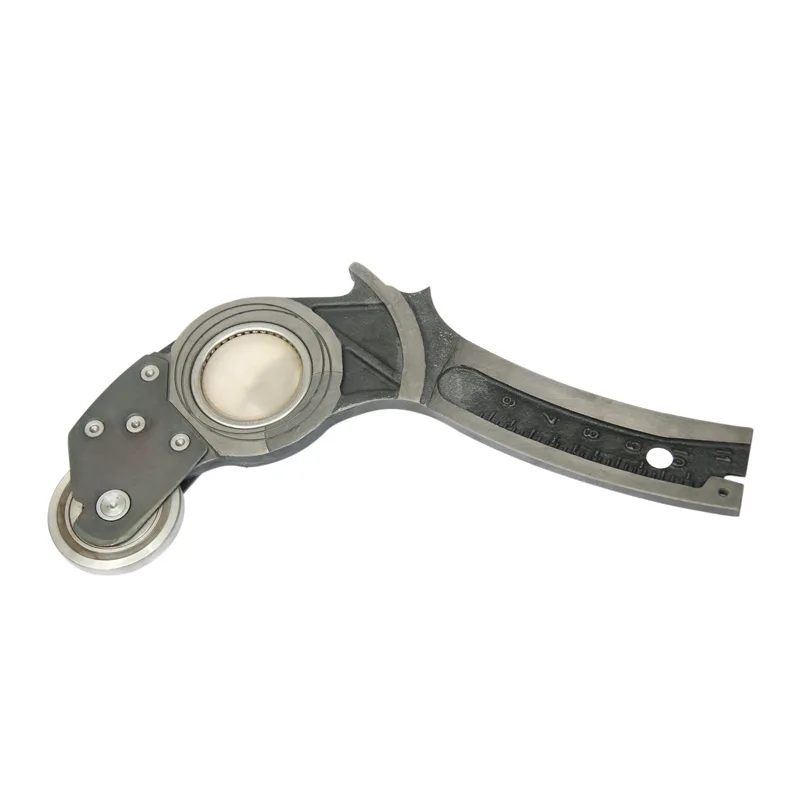
In weaving production, the shedding process must be accurate, repeatable, and smooth. The warp yarns need to open and close according to the required weave structure so that the weft can be inserted properly. If this movement is unstable, the entire fabric formation process becomes less predictable. That is why the High-Efficiency Shedding Arm is not a small detail hidden inside the loom. It is one of the components that directly influences transmission accuracy and machine stability.
For many weaving mills, the first sign of a problem is not always a broken component. It may begin with more frequent warp breakage, higher noise, unclear shed formation, irregular fabric quality, or small production stops that become increasingly expensive. A High-Efficiency Shedding Arm helps reduce these risks by supporting stable motion transfer between the shedding mechanism and the heald frame movement.
When the shedding arm is well designed, the loom can respond more consistently during high-speed operation. The component needs to handle repeated mechanical stress, maintain reliable movement, and resist deformation over long production cycles. This is especially important for factories producing fine fabrics, high-density textiles, or orders with strict quality requirements. Even a slight error in the shedding movement may affect fabric appearance, yarn tension, and machine rhythm.
Many buyers only think about the shedding arm when a machine needs repair, but experienced production managers know that a poor component can quietly raise total operating cost. A low-quality or badly worn shedding arm may continue running for some time, yet it can create hidden losses across the entire weaving line.
These problems are painful because they rarely stay isolated. One unstable part can affect yarn control, machine speed, operator workload, fabric inspection results, and delivery schedules. For export-oriented textile factories, that can mean delayed orders, rejected batches, and pressure from brand-side quality checks.
Practical point: The cheapest replacement part is not always the lowest-cost choice. If a shedding arm causes frequent stoppages, extra inspection, or unstable fabric output, the real cost quickly becomes much higher than the purchase price.
A good High-Efficiency Shedding Arm should be evaluated from several angles, not only from its appearance or quoted price. Since this part works under repeated motion and load, buyers should pay attention to structure, material, processing accuracy, compatibility, and after-sales support.
| Key Factor | Why It Matters | What Buyers Should Check |
|---|---|---|
| Material Strength | The arm must withstand repeated force during long-term loom operation. | Ask whether the component uses high-strength alloy or other durable material suitable for textile machinery. |
| Structural Rigidity | A weak structure may bend, deform, or lose accuracy under continuous stress. | Check whether the design includes reinforced stress-bearing areas and stable arm geometry. |
| Bearing Assembly | The bearing area affects smooth motion, response speed, and noise level. | Confirm bearing quality, assembly precision, and lubrication convenience. |
| Surface Treatment | Wear resistance is essential for long service life under repeated movement. | Look for reliable surface protection, hardness, and resistance to abrasion. |
| Loom Compatibility | Different loom models may require different matching dimensions and operating characteristics. | Provide model details and confirm whether the product fits the actual shedding mechanism. |
| Supplier Support | Technical matching reduces installation errors and unsuitable purchases. | Choose a supplier that understands loom applications and can offer practical guidance. |
For buyers, the goal is not simply to find a part that can be installed. The better goal is to find a component that performs steadily after installation, reduces adjustment frequency, and fits the production environment. A High-Efficiency Shedding Arm should support accuracy, durability, and smooth operation at the same time.
The value of a high-efficiency design becomes clear during continuous production. In a busy weaving mill, machines may operate for long shifts, and small performance differences become very noticeable over time. A well-made High-Efficiency Shedding Arm can help the loom maintain a more stable shedding rhythm, which reduces unnecessary tension changes in the warp yarns.
Stable shedding movement supports cleaner shed formation. This matters because the weft insertion process depends on a clear and timely opening between warp yarns. If the shed is not properly formed, the loom may face more stops or defects. When the shedding arm transfers motion accurately, the whole process becomes more controlled.
Another important advantage is reduced maintenance pressure. Components with stronger structure, better wear resistance, and smoother bearing movement can help factories reduce replacement frequency. This is especially valuable when mills run multiple looms. If one model of component performs better across a group of machines, the maintenance department can simplify spare parts planning and reduce emergency repairs.
High-efficiency design also helps operators. A machine that runs with less vibration and fewer abnormal noises is easier to monitor. Operators can identify real problems faster because the normal running condition is more stable. This supports production management, especially in workshops where several looms operate at the same time.
Procurement teams often need to balance cost, delivery time, compatibility, quality, and long-term supplier reliability. For a component such as a High-Efficiency Shedding Arm, a careful selection process can prevent many later problems.
Changshu Changxin Textile Equipment Co., Ltd. focuses on textile equipment components and offers shedding arm products for loom applications. For buyers who are not sure which specification is suitable, communicating the loom model and working conditions in advance can make the selection process much safer. This is particularly important for replacement projects, repair needs, and batch purchasing.
Even a high-quality component needs correct maintenance. A High-Efficiency Shedding Arm works under repeated mechanical movement, so regular inspection and lubrication are necessary. Maintenance does not need to be complicated, but it should be consistent.
First, operators should pay attention to abnormal noise, visible looseness, irregular vibration, or changes in shedding accuracy. These signs may indicate that the component or connected parts need inspection. Second, lubrication should be handled according to the machine and component requirements. Proper lubrication helps reduce friction, protect the bearing area, and maintain smooth movement.
Third, installation accuracy should not be ignored. If the shedding arm is installed with poor alignment or unsuitable adjustment, even a good component may not perform as expected. Maintenance teams should ensure that the arm works in the correct position and that connected parts are not excessively worn. Finally, spare parts should be stored properly. Clean, dry storage helps protect the surface and prevents unnecessary contamination before installation.
| Maintenance Action | Recommended Purpose | Expected Benefit |
|---|---|---|
| Routine visual inspection | Find looseness, wear, or deformation early | Reduces unexpected machine stops |
| Regular lubrication | Keep bearing movement smooth | Lowers friction and operating noise |
| Alignment check | Ensure correct motion transfer | Improves shedding accuracy |
| Noise and vibration monitoring | Identify abnormal running conditions | Helps maintenance teams react earlier |
| Proper spare parts storage | Protect unused parts before installation | Maintains product condition and reliability |
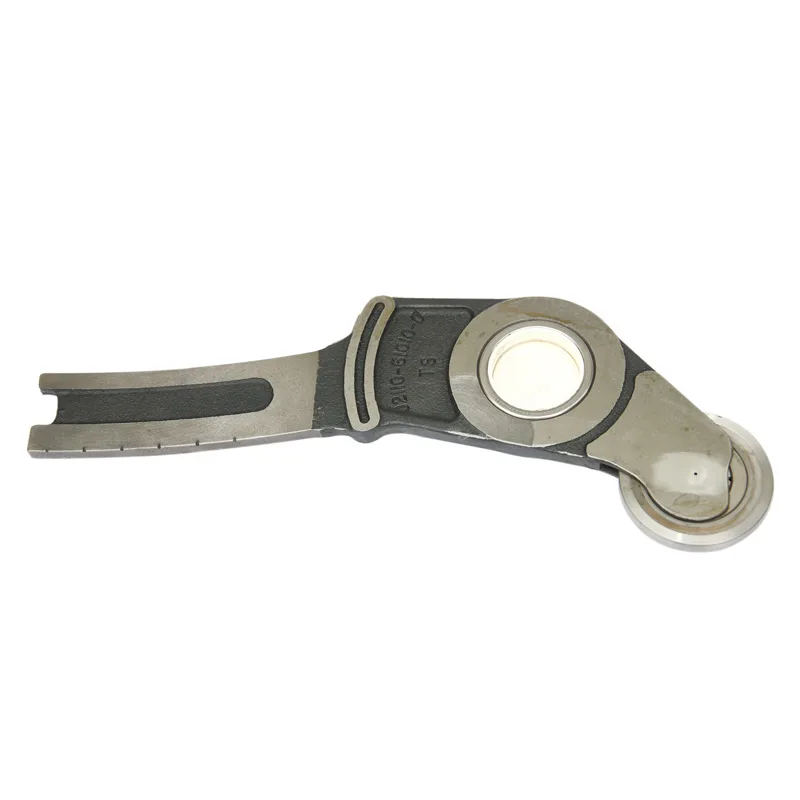
Textile machinery parts require more than basic manufacturing capacity. A good supplier needs to understand how the part behaves inside the loom, how it affects weaving quality, and what kinds of problems customers face during real production. This is where experience becomes valuable.
An experienced manufacturer can help buyers avoid unsuitable purchases. Instead of only selling a standard product, the supplier can discuss the loom model, operating environment, production target, and replacement needs. This kind of communication is useful for both new procurement and maintenance replacement.
Changshu Changxin Textile Equipment Co., Ltd. serves customers in the textile equipment field with products designed for practical loom applications. For mills that care about stable production, choosing a High-Efficiency Shedding Arm from a supplier familiar with textile machinery can reduce uncertainty and make the purchasing process more efficient.
For international buyers, communication also matters. Clear product information, responsive quotation support, and practical after-sales service can make cooperation smoother. When a supplier understands both the product and the buyer’s production concerns, the final result is usually more reliable than a simple low-price transaction.
Q1: What is the main function of a High-Efficiency Shedding Arm?
A High-Efficiency Shedding Arm helps transmit motion within the loom shedding system, supporting the opening and closing movement of warp yarns. Its performance affects shedding accuracy, loom stability, fabric quality, and production efficiency.
Q2: When should a textile mill replace the shedding arm?
Replacement should be considered when the loom shows abnormal vibration, unstable shedding movement, increased noise, visible wear, deformation, frequent warp breakage, or fabric defects related to poor shed formation.
Q3: Is a high-efficiency shedding arm suitable for different loom types?
Suitability depends on the loom model, shedding mechanism, installation dimensions, and working conditions. Buyers should provide machine details before ordering so the supplier can help confirm the correct option.
Q4: How does the shedding arm influence fabric quality?
The shedding arm affects the accuracy and stability of warp yarn movement. If the shed is formed clearly and consistently, weft insertion becomes smoother, fabric defects may decrease, and production stability can improve.
Q5: Why is material quality important for this component?
The shedding arm works under repeated mechanical stress. Strong material, stable structure, and reliable surface treatment help resist wear, reduce deformation risk, and support longer service life.
Q6: Can proper maintenance reduce operating cost?
Yes. Regular inspection, lubrication, alignment checking, and timely replacement of worn parts can reduce sudden downtime, protect connected components, and help the loom maintain stable performance.
Q7: What information should I provide before requesting a quote?
It is helpful to provide the loom brand, model, part photos, dimensions if available, quantity, working conditions, and any special requirements. This allows the supplier to recommend a more suitable High-Efficiency Shedding Arm.
Choosing a High-Efficiency Shedding Arm is not just a spare parts decision. It is a production stability decision. For textile mills, repair teams, and machinery distributors, the right component can help reduce downtime, support consistent fabric quality, and make loom maintenance more predictable.
If your current shedding arm causes unstable movement, frequent replacement, excessive noise, or quality concerns, it may be time to review the component structure and supplier support behind it. Changshu Changxin Textile Equipment Co., Ltd. can provide practical product information and help buyers match suitable shedding arm solutions for textile machinery applications.
Looking for a reliable High-Efficiency Shedding Arm for your loom system? Contact us today to discuss your machine model, application requirements, and purchasing needs. Our team will help you find a suitable solution for stable weaving performance and long-term production value.


