

Textile weaving production relies heavily on the stable operation of looms, and warp stop boxes serve as key supporting components to maintain normal weaving procedures. In traditional workshop operation modes, the working state of loom warp stop boxes mostly depends on manual inspection and post-fault discovery. Workshop staff need to patrol multiple looms repeatedly to check for warp breakage, component anomalies and circuit abnormalities of warp stop boxes. With large quantities of looms running simultaneously in the weaving workshop, manual inspection covers limited equipment status and consumes abundant human resources. The Universal Loom Warp Stop Boxes Monitoring Device is developed for the operation characteristics of mainstream weaving equipment, solving many management drawbacks in traditional loom operation and realizing multi-dimensional upgrading of workshop loom management modes.
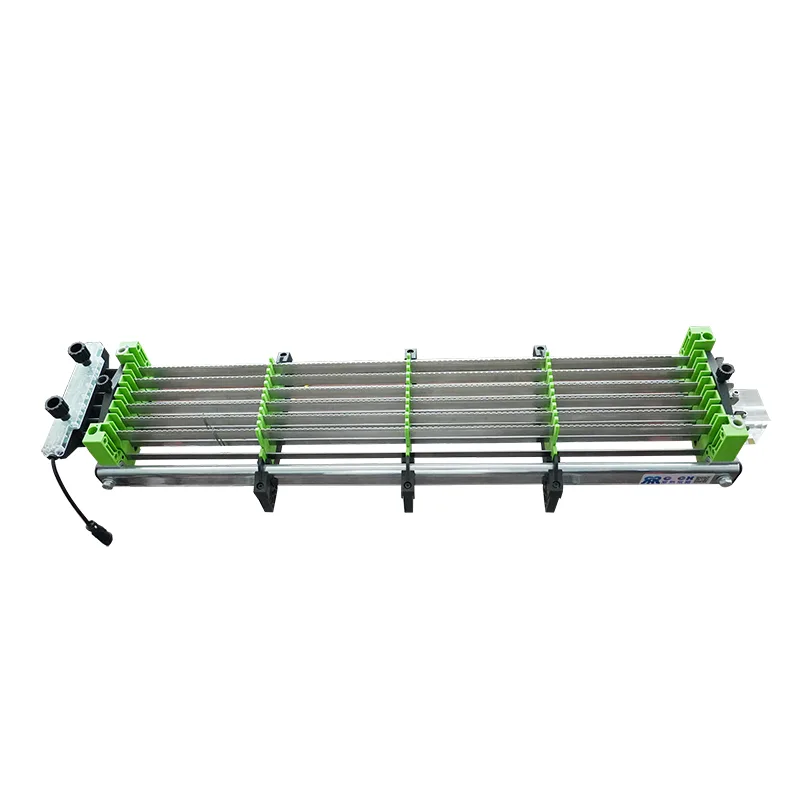
In the daily operation of textile weaving looms, warp yarn abnormalities are one of the main factors that affect fabric forming and machine running stability. Traditional warp detection devices adopt fixed induction structures, which are insensitive to tiny tension changes and unable to detect hidden yarn anomalies in time. The Tilting Warp Stop Motion is a professional weaving auxiliary device designed according to the actual operating rules of warp yarn. It relies on flexible tilting mechanical linkage to monitor the running state of each warp yarn in real time during high-speed weaving.
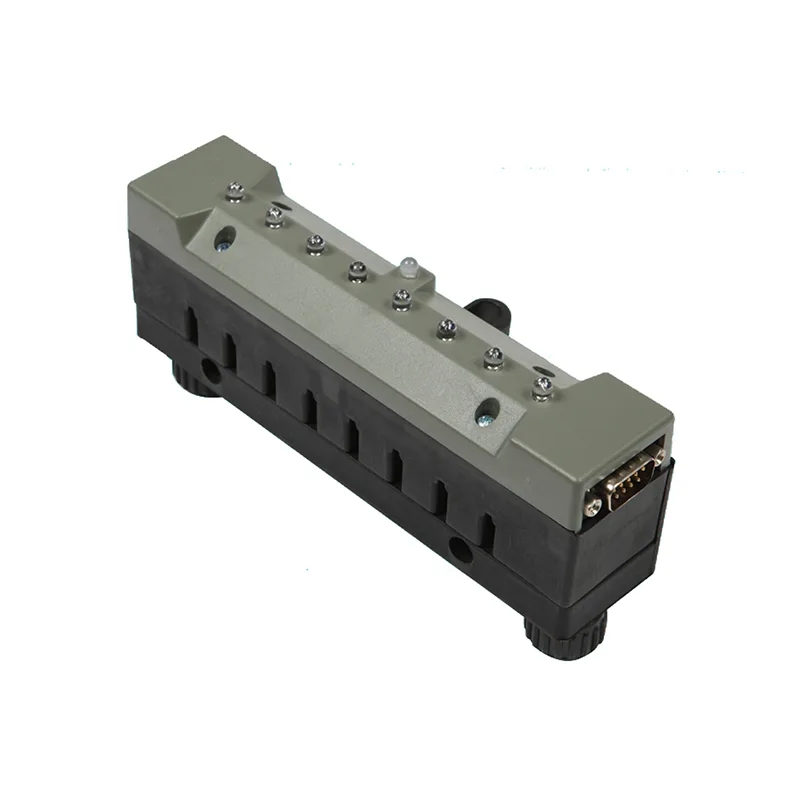
Warp Stop Monitor For Weaving Machines is a warp break detection and automatic protection system on the loom. Its core function is to monitor the warp status in real time, stop the warp immediately if it breaks or loosens, prevent defects, reduce waste, and improve efficiency.
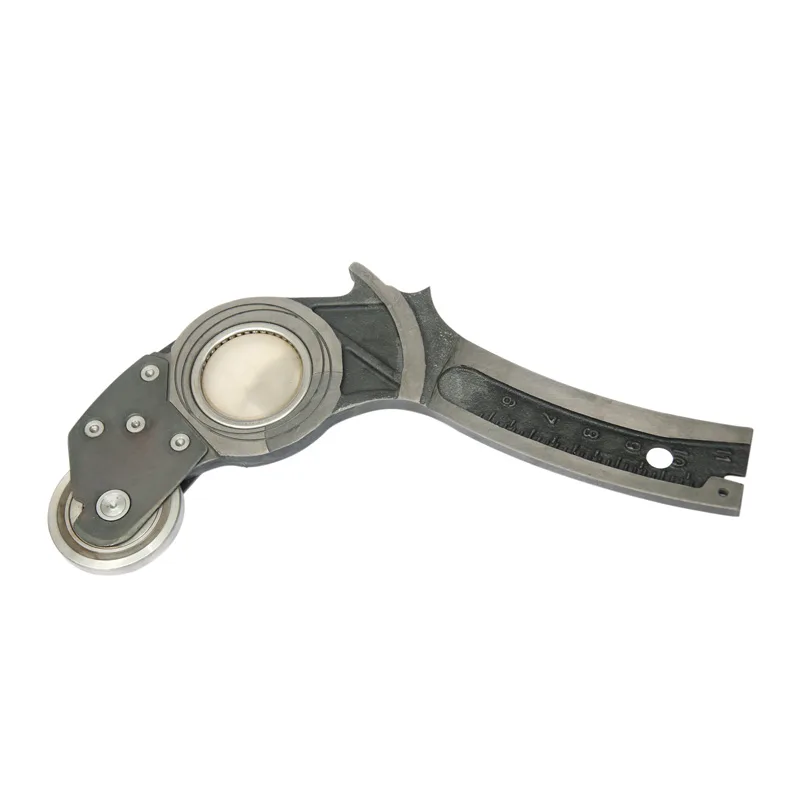
A High-Efficiency Shedding Arm may look like a single mechanical component, but it plays a serious role in loom stability, fabric quality, warp control, production continuity, and long-term maintenance cost.
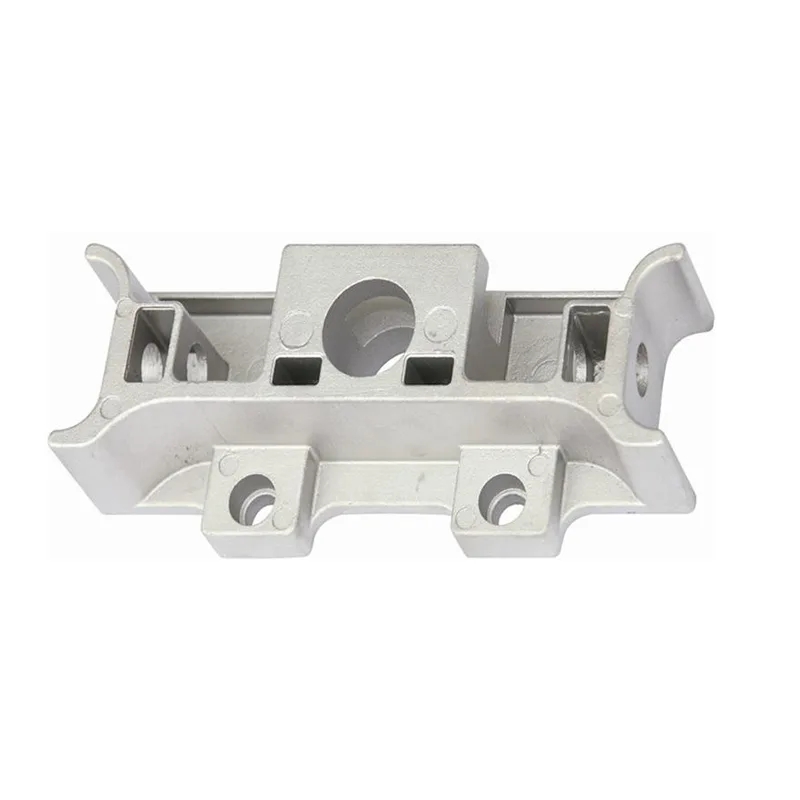
Aluminum Warp Stop Motion Base for Warp Stop Head is the core installation base of the warp yarn self stop device for weaving machines (jet/spray/rapier), used to fix the warp stop probe/sensing head, ensuring that the machine stops immediately when the warp yarn breaks, protecting the quality of the fabric and equipment safety.
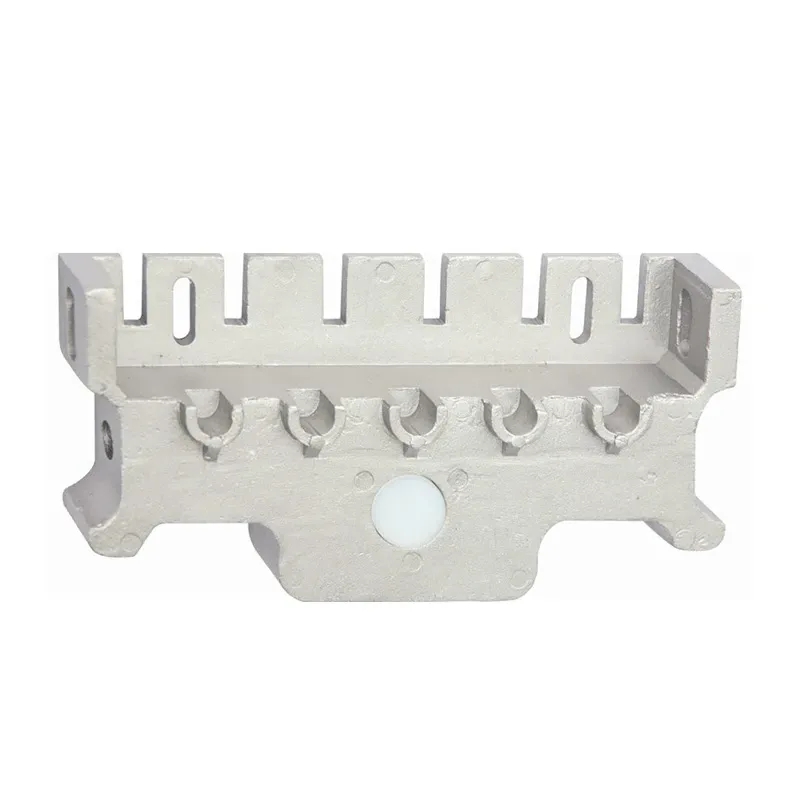
The Aluminum Six Column Warp Stop Motion Base is the core support base for the warp stop system on shuttleless looms (jet/rapier/spray).


