
In weaving, small failures often create expensive consequences. A missed broken end can turn into visible defects, wasted yarn, rework, slower output, and frustrated operators. That is why the Warp Stop Bar matters more than many buyers first expect. For mills running shuttleless looms, the right bar is not just an accessory. It is a practical control point that helps operators detect problems faster, protect fabric quality, and keep production moving with fewer interruptions.
This article explains what a Warp Stop Bar does, why its design has a direct impact on weaving efficiency, and how buyers can choose one without getting lost in vague specifications. You will see the common production pain points it helps solve, what features matter most in real factory use, how to compare material and structure, and what questions to ask a supplier before ordering. The goal is simple: help textile companies buy with more clarity and fewer costly mistakes.
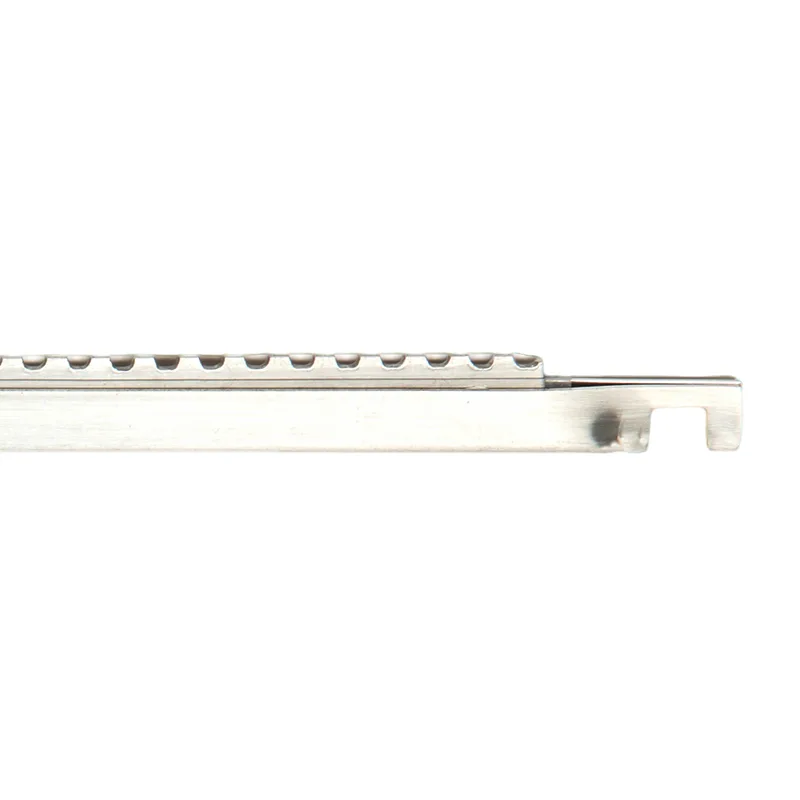
A Warp Stop Bar is designed to help a loom respond when warp yarn breaks, loosens, or loses the condition needed for stable weaving. In daily production, this function is not theoretical. It affects whether a weaving line keeps producing acceptable fabric or quietly creates a growing batch of problems before anyone notices.
When a warp end fails and the issue is not detected quickly, several things may follow at once: streaks in fabric, broken pattern continuity, tension imbalance, waste of raw material, and extra labor spent tracing the fault. A well-made Warp Stop Bar shortens that gap between “something went wrong” and “the loom reacted.” That faster response is what protects quality.
The best products also make life easier for operators. In a real weaving workshop, speed matters, but so does clarity. If a part is difficult to fit, easy to deform, or unreliable under dust, humidity, and long operating hours, the team pays for it later through downtime. A dependable component supports consistent work instead of adding another point of uncertainty.
Simple way to think about it: the Warp Stop Bar is not just there to stop a machine. It is there to stop defects from spreading.
Buyers usually notice the price first. Operations teams notice the consequences first. That difference is where many bad purchases begin. On paper, several products may appear similar. On the loom, the gap becomes obvious.
Here are the most common pain points mills face when the wrong Warp Stop Bar is installed:
There is another issue buyers sometimes overlook: staff turnover. Not every shift will be run by highly experienced operators. A component that is easier to use and easier to read has real value in factories where training time matters. The right Warp Stop Bar reduces dependence on “only one skilled person knows how to handle this.”
This is where a supplier’s practical understanding matters. Changshu Changxin Textile Equipment Co., Ltd. is one of the manufacturers in this space that positions the product around real weaving-floor concerns rather than abstract claims. That kind of approach matters because textile buyers rarely need flashy language. They need predictable performance, compatibility, and support when production cannot afford delays.
Buyers do not need a long list of polished terms. They need a short list of features that actually affect output. When comparing any Warp Stop Bar, start here:
| Feature | Why It Matters in Production | What Buyers Should Look For |
|---|---|---|
| Material quality | Influences durability, straightness, corrosion resistance, and long-term stability | Stainless steel or other robust structures suited to humid and dusty workshop conditions |
| Detection reliability | Helps the loom respond quickly when a warp break or slack condition appears | Stable signal performance and dependable reaction under continuous use |
| Structural precision | Poor fit can create operating issues, misalignment, or repeated adjustment | Accurate dimensions and compatibility with target loom models |
| Ease of operation | Reduces training burden and speeds up handling on the shop floor | User-friendly structure that supports fast problem location and daily maintenance |
| Service support | Even a good part becomes a headache if communication and delivery are weak | Clear technical response, customization ability, and dependable lead times |
Material deserves special attention. A Warp Stop Bar works in an environment that is not gentle. Long hours, airborne fibers, humidity, and repeated machine action all test structural stability. If the bar deforms easily or loses performance under stress, the buyer may save a little at purchase and lose much more later in production.
Compatibility matters just as much. Buyers should not assume one version suits every loom equally well. Some workshops need standard products. Others need customized dimensions or structures that match specific machine models and weaving conditions. That is why supplier flexibility is not a nice extra. It is often the difference between a smooth installation and a long string of avoidable adjustments.
A useful comparison is not “cheap versus expensive.” A useful comparison is “low upfront cost versus low operating risk.” That frame leads to better decisions.
Start with the production goal. Are you trying to reduce defect rates? Stabilize output on high-speed lines? Lower training pressure for new operators? Improve replacement frequency? Once the goal is clear, compare products against that reality instead of buying by habit.
Here is a practical way to compare:
The smartest buyers also think beyond the part itself. They ask: will this purchase reduce interruptions over the next year, or will it quietly create more maintenance conversations? That is the right question, because weaving efficiency is built from small stable decisions, not one dramatic fix.
For this reason, a manufacturer with established production capability and customization experience can be easier to work with than a seller who only speaks in general terms. Buyers looking at Changshu Changxin Textile Equipment Co., Ltd. often focus on the practical side of that value: product range, compatibility thinking, and the ability to support different shuttleless loom production needs without turning every request into a problem.
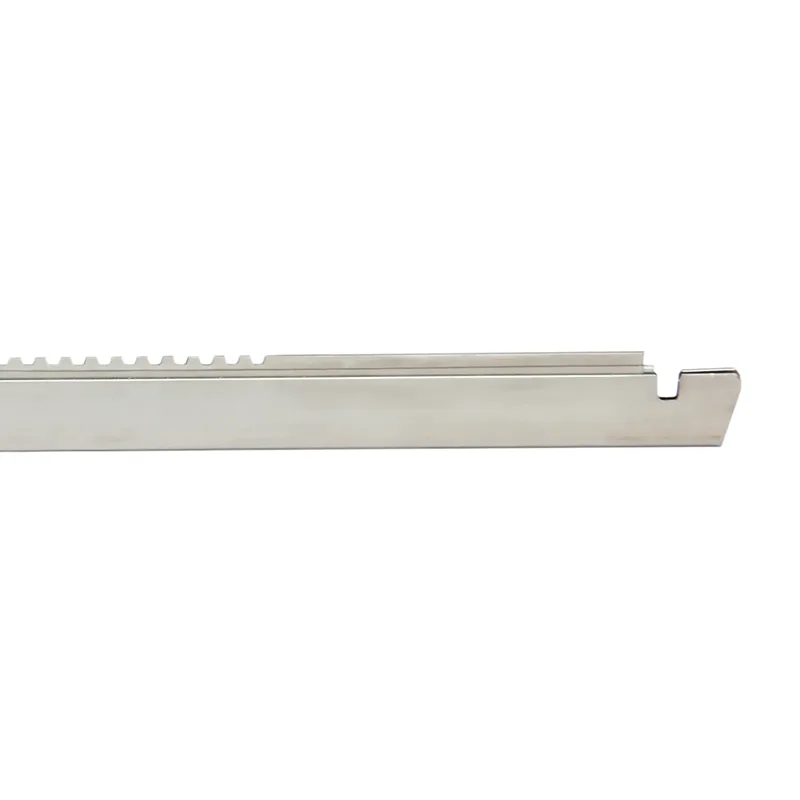
Before you send a purchase order, use this checklist. It saves time, reduces misunderstanding, and helps both sides move faster.
This may sound basic, but basic questions prevent expensive confusion. In textile procurement, the real risk is rarely one dramatic mistake. It is usually a collection of small assumptions nobody corrected early enough.
If your mill is trying to cut waste, shorten troubleshooting time, and improve weaving consistency, the Warp Stop Bar should be treated as a performance component, not an afterthought. Buyers who view it that way tend to make better long-term decisions.
1. Is a Warp Stop Bar only important for large textile mills?
No. Smaller weaving operations can feel the impact even more sharply because a single defect batch or repeated downtime can affect delivery, labor efficiency, and customer trust very quickly.
2. Can I choose purely by price if the product looks similar?
That is risky. Similar appearance does not guarantee similar durability, compatibility, or detection stability. The lower quote is not always the lower cost once production begins.
3. When should I ask for customization?
Ask for customization if your loom model, production condition, or installation requirement differs from standard specifications. It is better to clarify this early than force a near-fit solution later.
4. What is the biggest buying mistake with a Warp Stop Bar?
Treating it like a minor spare part. Once buyers understand how directly it affects break detection, defect control, and operator efficiency, they usually become much more careful in selection.
5. What kind of supplier is easier to work with?
Usually one that can explain compatibility clearly, discuss workshop conditions in practical language, and support both standard and customized requirements without vague answers.
The right Warp Stop Bar helps weaving companies do three things better: detect trouble earlier, reduce avoidable losses, and run production with more confidence. That is why thoughtful buyers look beyond appearance and unit price. They compare structure, durability, fit, response reliability, and supplier support.
If you are evaluating options for shuttleless loom applications and want a supplier that understands practical textile production needs, Changshu Changxin Textile Equipment Co., Ltd. is worth a closer look. Whether you need standard models or a more tailored solution, now is a good time to discuss your requirements, compare specifications, and move toward a more stable weaving process. Contact us today to talk about your project, get product guidance, and find the Warp Stop Bar that fits your production line more precisely.


